The new scarecrowpreventing wildlife damage in your fields
Protect my fields too- Wild boar
- Deer
- Rabbit
- Crow
- Pigeon
- Starling
- Jay
- Flamingo
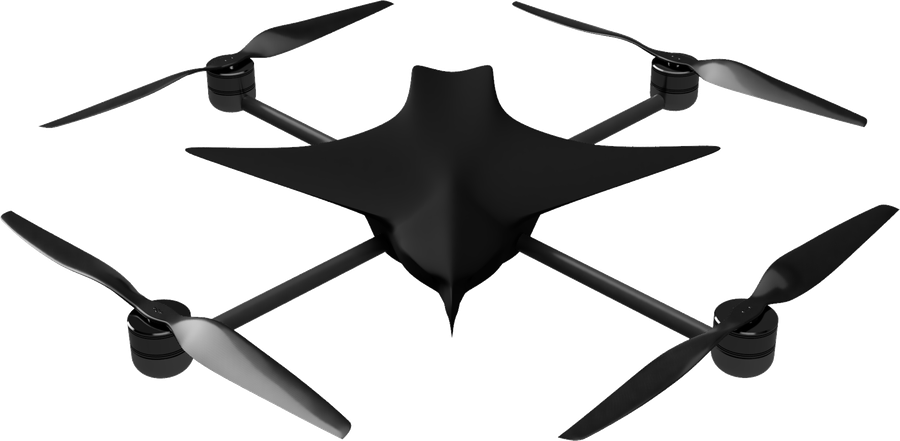
Drones scare them off autonomously.
- Higher yields
- Peace of mind
- Lasting protection
- Biodiversity integration
- As a service
Supported by world-class advisors and institutes


How it works
-
01
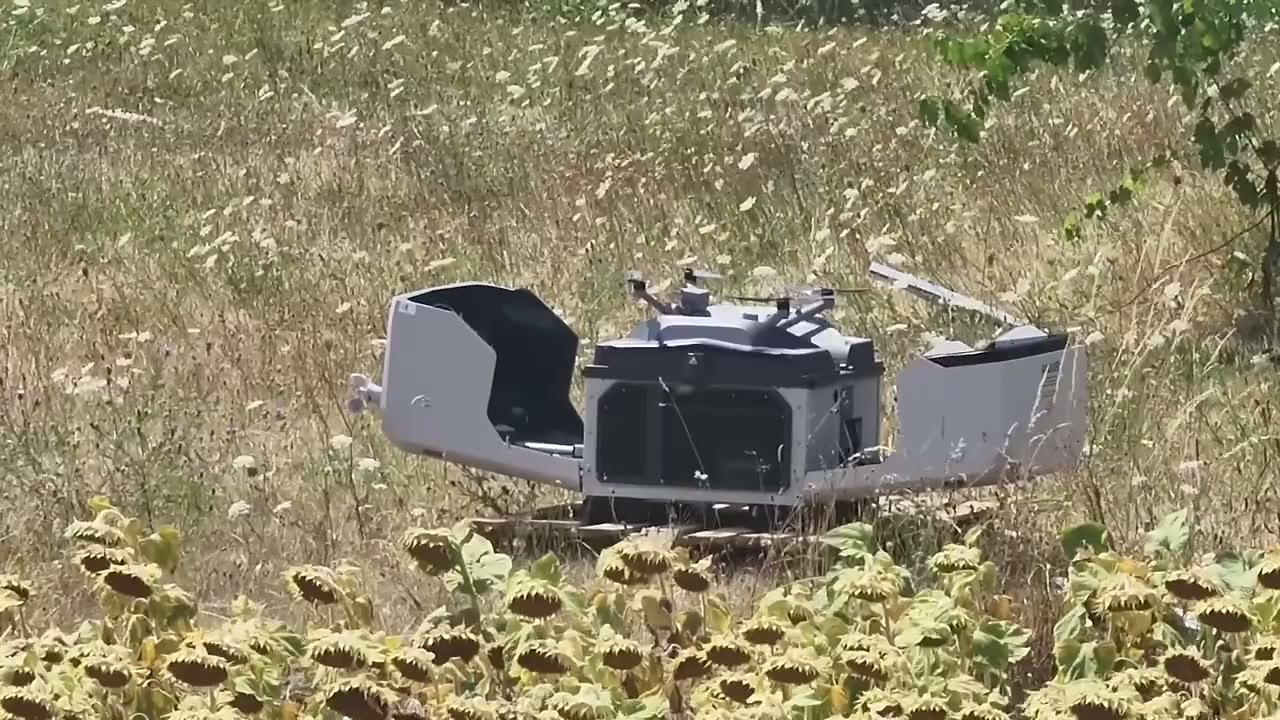
Installation and plot programming
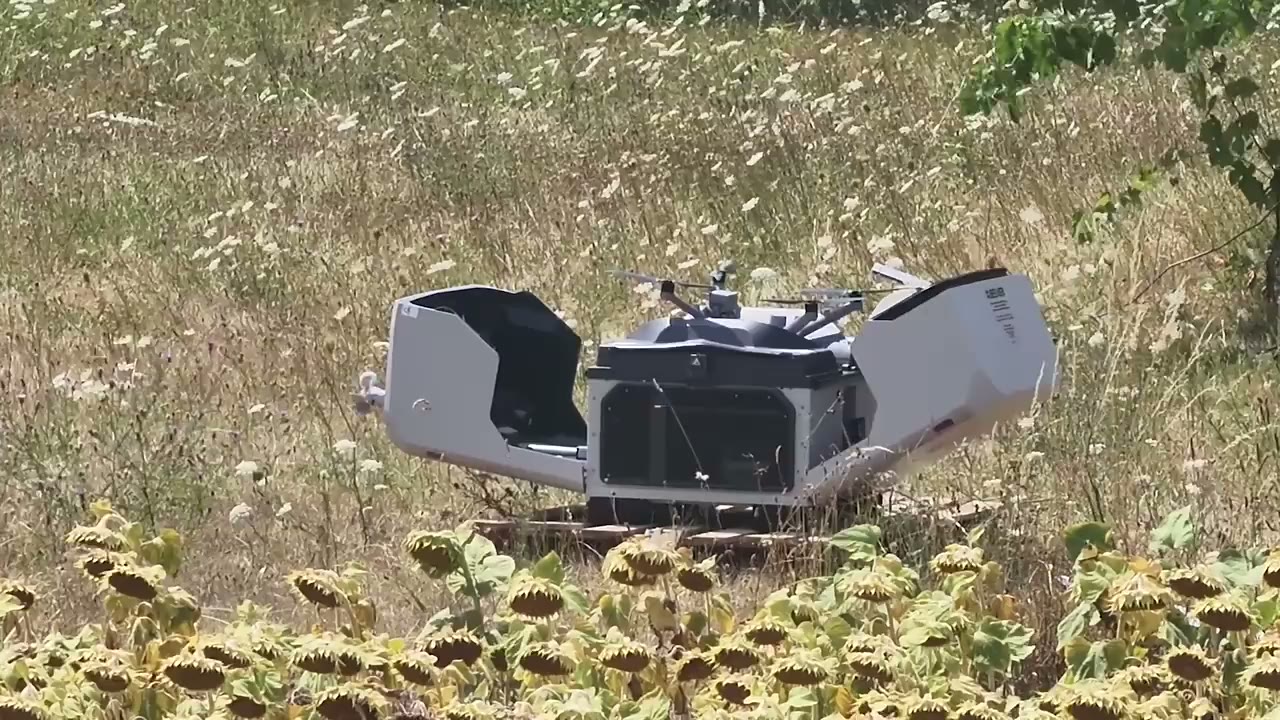
We install the drone and its charging station on your farm, and map the fields it will cover.
-
02
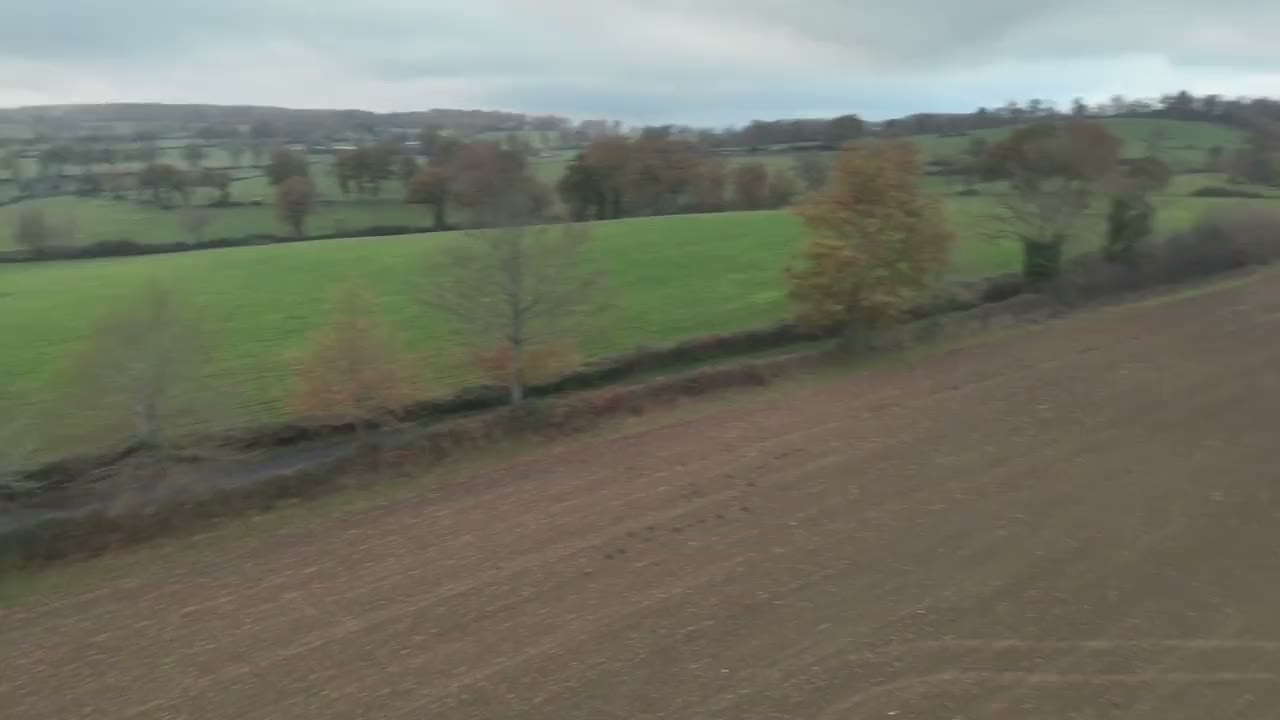
Patrolling
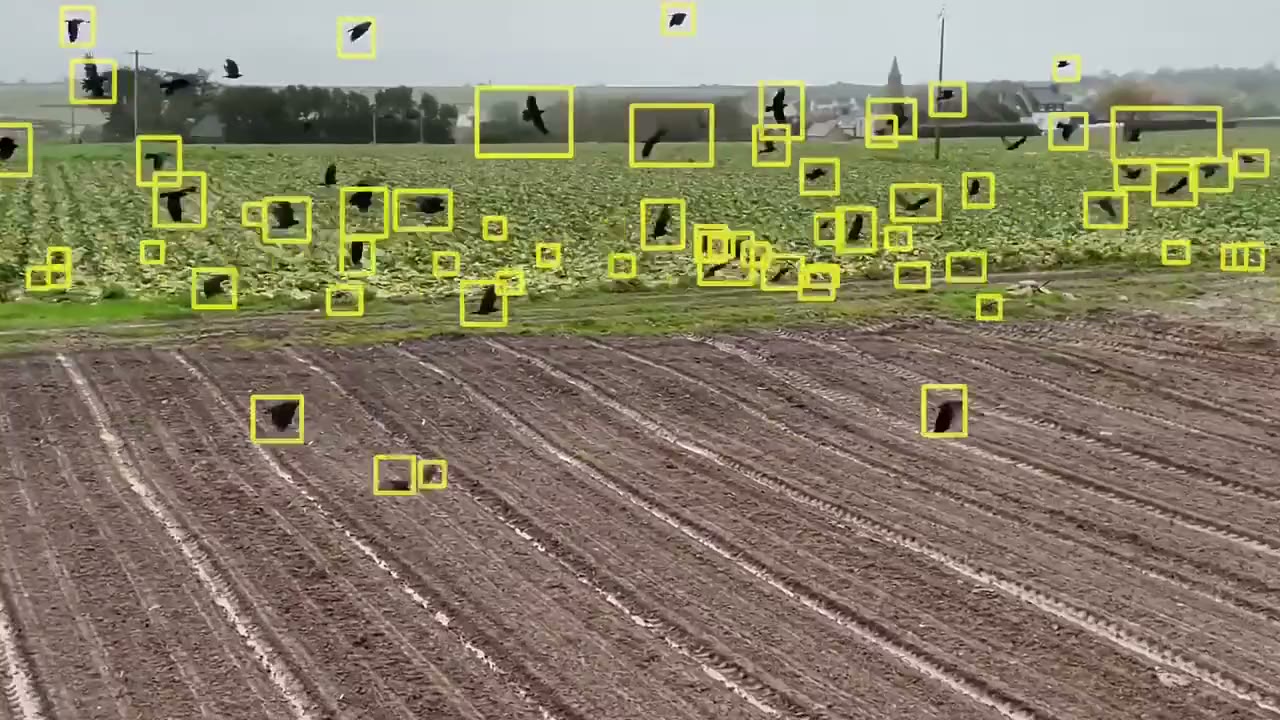
It flies over your fields continuously, watching for animals helped by RGB, zoom and thermal camera.
-
03
Deterrence
When the AI spots one, the drone moves in and drives it off with sound and light.
-
04
Charging
When the patrol ends or the battery runs low, it returns to the station and charges itself, ready for the next flight.
They already trust us





-
I'm a vegetable farmer in northern Finistère, and I'm very pleased with the work Belver did on one of my shallot plots, which is usually plagued by jackdaws. The results were very satisfying, and the team was very professional.
-
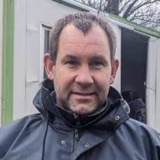
Bird damage is a major concern in our vineyard. The tests conducted with Belver just before the harvest were very encouraging.

-
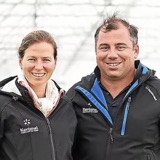
Very responsive service — every question we had came back quickly. On shallots, on plots with a long history of heavy pressure, we had no damage at all. That saves on labour and gets the crop away without a hitch. The drone flew close to our house and it is remarkably discreet, which we appreciate.
Use cases
Backed by the oilseed industry. Corvids and pigeons hit oilseed and protein crops twice a season, at sowing and again just before harvest, and the usual deterrents stop working once the birds get used to them. Sofiprotéol picked Belver to prove out an autonomous answer on sunflower, rapeseed and pea.
The problem. Oilseed and protein crops get hit at their two weakest moments. At sowing, crows, rooks and wood pigeons pull up seed and young seedlings, and the field has to be re-sown. Before harvest, the same birds come back for the maturing heads and pods, right when the crop is worth the most and there's no time left to recover. The deeper issue is that ordinary deterrents fade. The birds work out that the noise and the shape are harmless, and they come back.
How we deploy. This runs as a two-year R&D programme (2026–2028) with Sofiprotéol and Terres Inovia, over two full campaigns: two sowings, two harvests. The setup is simple. We fly autonomous drones over the plots, continuously. Each one carries RGB, zoom and thermal cameras, and the onboard AI reads what they see: which species are on the field and what they're doing, a group of corvids dropping onto a fresh sowing, pigeons working a crop that's ripening. When it spots a real threat, the drone goes in and pushes the birds off with sound and light before they settle to feed. Then it flies back to its station and recharges itself. Nobody has to be in the field. One station covers roughly 10 to 15 hectares, and the whole thing follows a set protocol we can measure and repeat. How the detection works stays ours. How we run it in the field, we're happy to explain.
What we expect. Over two seasons, in real conditions, we want to show that this holds up where the old methods give out: fewer re-sowings, steadier yields at the stages that matter, and no extra work for the grower.
R&D programme with Sofiprotéol and Terres Inovia, 2026–2028.
The damage is real, and it's been measured. A 2023 survey of 109 farms in North Finistère found 99% hit by large pests, with jackdaws, wood pigeons and hares at the top, and farmers saying the same thing about every deterrent they'd tried: the animals get used to it. That's the problem Belver was built for.
The problem, measured. When the Chambres d'agriculture de Bretagne surveyed 109 vegetable and field-crop farms around Morlaix and Saint-Pol-de-Léon in 2023, exactly one said it had no trouble with large pests. The other 99% did, most of them fighting two to four species at once. The worst offenders are the ones Belver goes after: jackdaws on 79% of farms, wood pigeons on 61%, hares on 68%. Of the 25 farms that could put a figure on it, losses ran from €500 to €40,000, with a median of €10,000. But the number that matters most isn't the damage, it's the reason. Asked about gas cannons, distress calls, kites and scarecrows, the farmers agreed almost to a person: the animals get used to them. The problem isn't a lack of deterrents. It's habituation.
How we deploy against it. Belver's answer is to never repeat itself, and to look before it acts. We fly autonomous drones over the fields, continuously. The RGB, zoom and thermal cameras feed an AI that recognises the species doing the damage, the same jackdaws and wood pigeons this area knows well, and reads what's happening in real time. Once a threat is confirmed, the drone drives the animals off with sound and light, and it changes where, when and how it does that every time. Then it recharges itself. Stations cover around 10 to 15 hectares each and run through the season under supervision. Because the deterrence never repeats, the birds can't settle into a routine, so the habituation that beats a gas cannon never gets started. The one failure every farmer in that survey described is the exact thing the system is designed to stop.
The ambition. Protection that actually lasts, season after season, across a whole area like this one, without adding anything to the grower's day.
Source: Chambres d'agriculture de Bretagne, 2023.
Estimate your price
Move the sliders to your crop, how long you need cover, and your plot size to see where the price starts, per hectare per year. It's a rough figure to work from, not a firm quote.
It's a team work, for every neighbour you refer, another 2% off.
For high-value crops that need top priority, we set the price with you directly.
This is a starting price, where your quote begins. The final figure depends on your plot, the bird pressure and the season, and we confirm it with you.
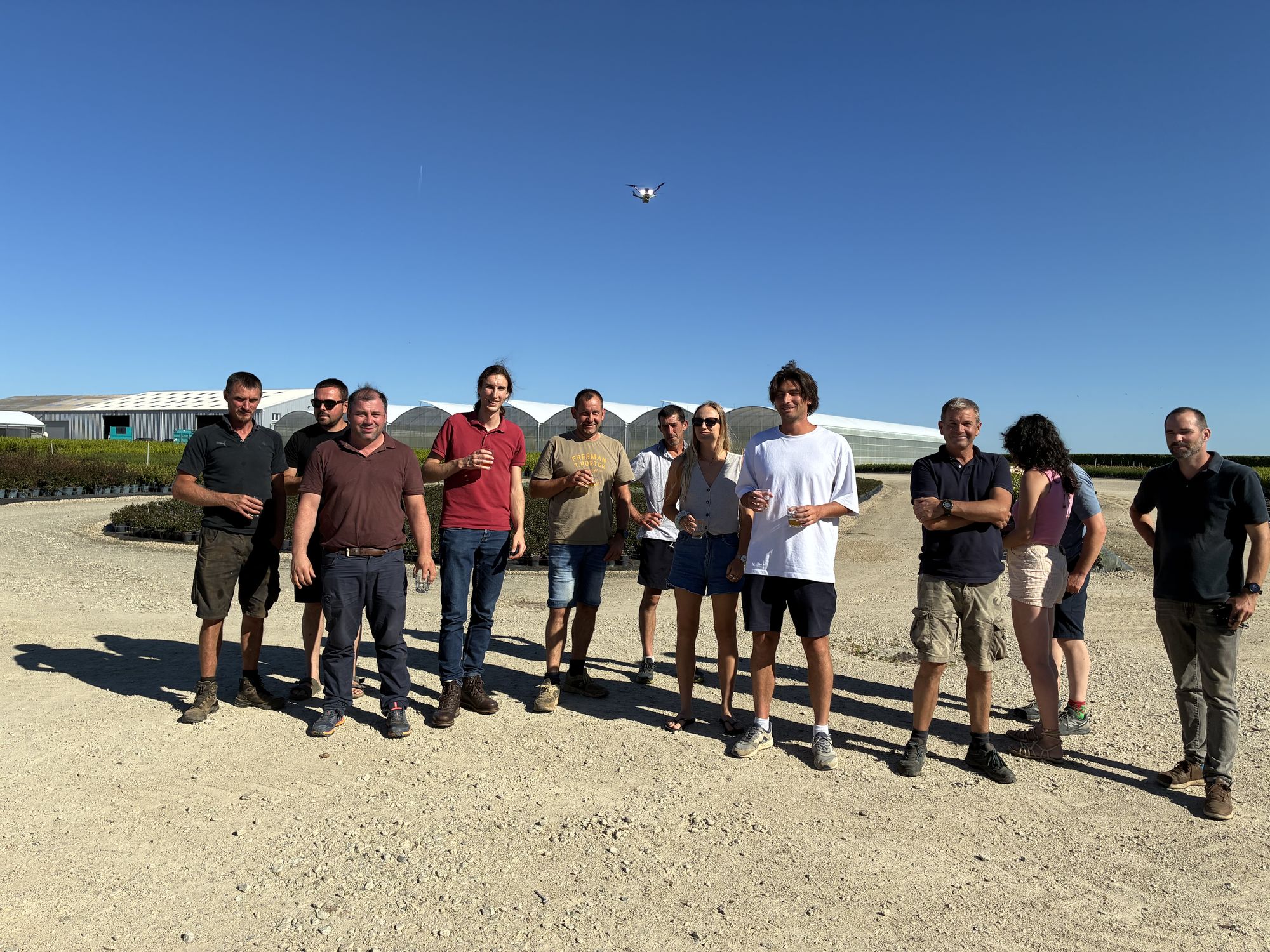
Farmers, agronomists, engineers, biodiversity experts, business people, scientists, executives.
Belver brings extremes together.
We dream of a world where farms are highly productive because of their perfect integration in the ecosystems.
Join the teamFrequently asked questions
What is autonomous drone bird control for farms?
Belver is a new kind of scarecrow — an autonomous drone that keeps birds and other wildlife off your crops without adding to your workload. It patrols your fields continuously, recognises harmful species on board with RGB, zoom and thermal cameras, drives them off with sound and light, then returns to its station and recharges itself. Because it stays mobile and unpredictable — changing where, when and how it deters — crows, pigeons and starlings never habituate the way they do to a fixed scarecrow or gas cannon, so you get fewer re-sowings and steadier yields at the sensitive sowing and pre-harvest stages. It's a per-hectare seasonal service: we install the drone and charging station, map your plots and supervise the fleet remotely — for vegetables, oilseeds or vines alike.
How do you scare birds off crops without them getting used to it?
Ordinary deterrents fail because animals learn they're harmless. Belver stays mobile and unpredictable — the drone changes where, when and how it deters every time, so birds never settle into a routine and the habituation that beats a gas cannon never gets started.
Does the drone fly by itself?
Yes. It patrols your fields autonomously, reads what it sees on board with RGB, zoom and thermal cameras, drives off any harmful species with sound and light, then returns to its station and recharges itself. Nobody has to be in the field.
What animals does it deter?
The species that do the damage — wild boar, deer, rabbit, crow, pigeon, starling, jay and flamingo — with the onboard AI recognising them before the drone acts.
How much area does one drone cover?
It depends on how your fields are configured, the animal pressure, the crop and the season — so rather than a fixed figure, we work out the right coverage with you, plot by plot.